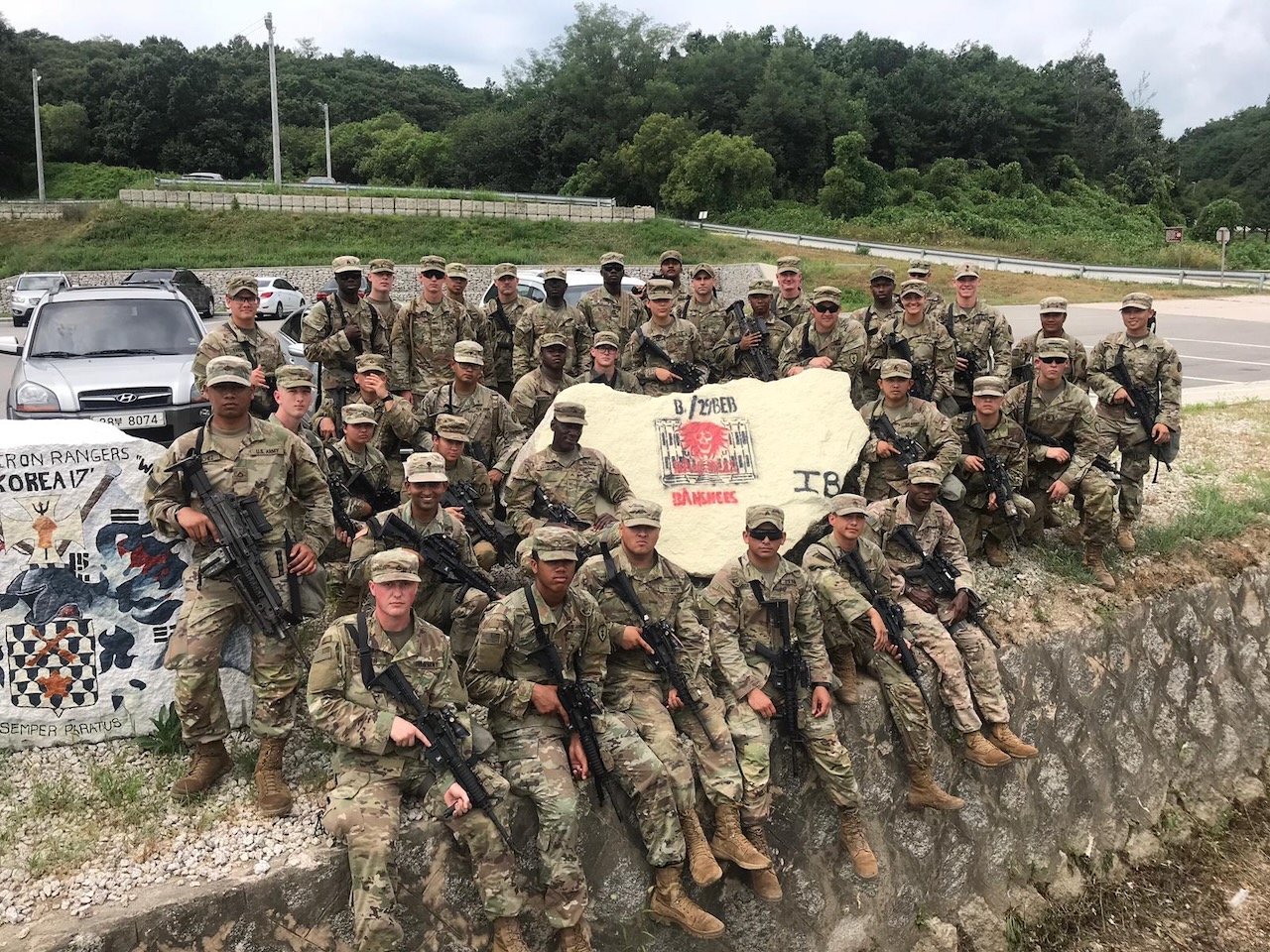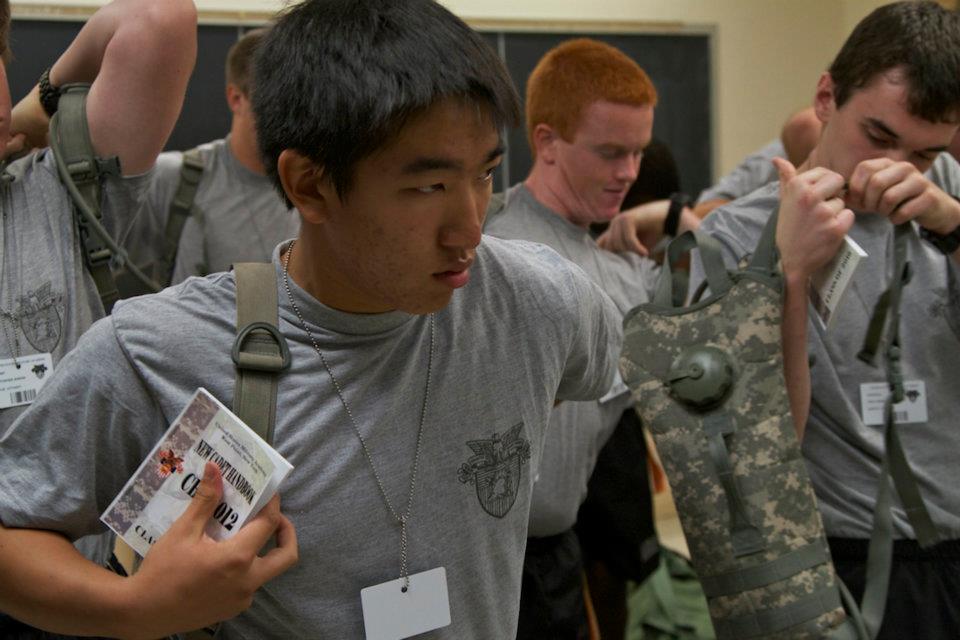
The start of a 10-year journey.
From cadet to Army Officer. The same five threads still drive how I approach every team and every problem today.
Each one shows up in how I approach problems, teams, and technology.
Commander's intent, teamwork, unbreakable connections, shared purpose.
Intertwine personal and professional. People who believe in the mission and each other.
Electrical Engineer foundation, Civil/Mech experience. Persistent curiosity about how things actually work.
AI glasses, blockchain, VR headsets, LLMs. New tools become new processes.
MBA lens — finance, corporate governance, strategy. The why behind the what.
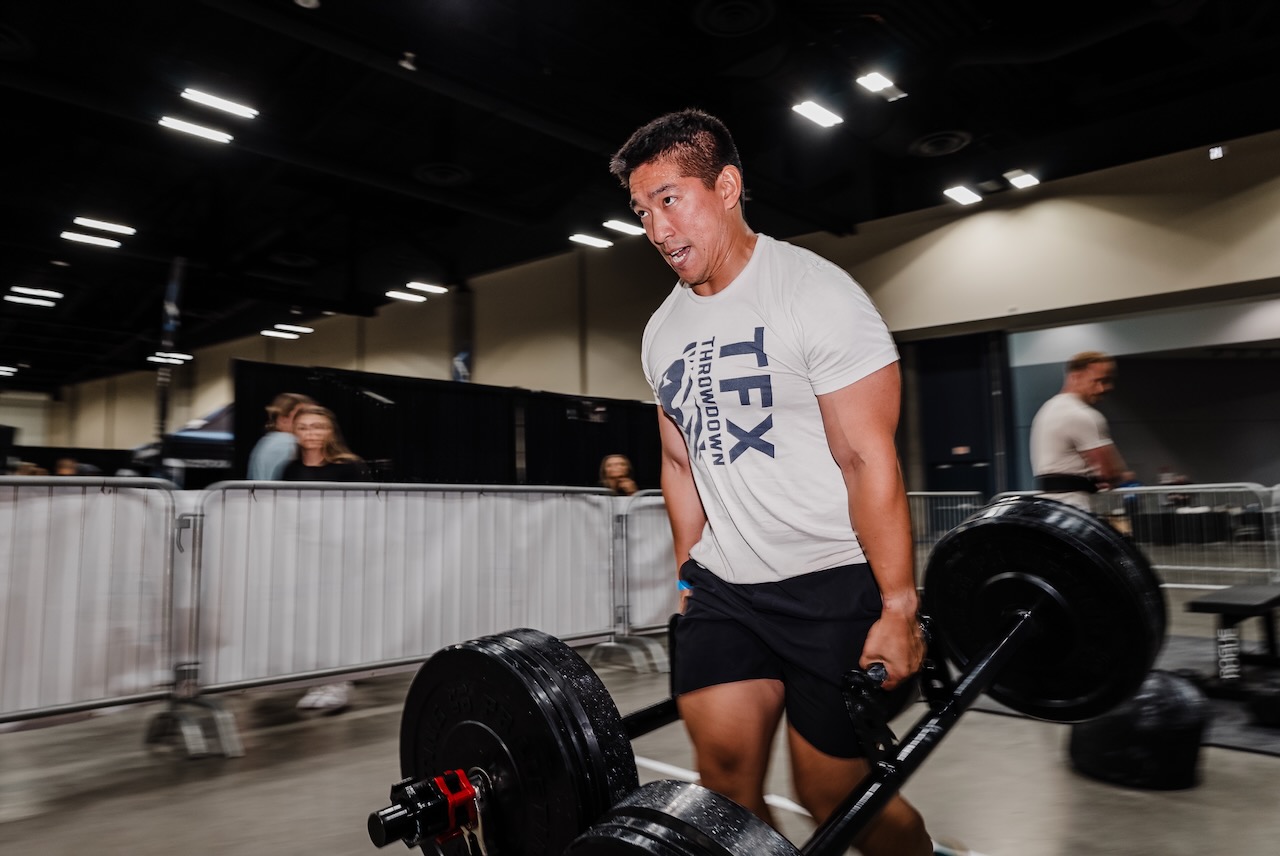
CrossFit L1 coach + competitor. Hoku: a reminder that some of the most rewarding parts of life are the ones you can't automate or optimize away.
UW Professional Masters Certificate in ML/DL — Final project, Fall 2025.
At my data center role, annual UPS maintenance required a battery discharge to verify functionality. Lifespan was treated as a fixed duration.
If we can predict SOH from a short discharge snippet, we can proactively replace the units showing accelerated decay and extend service life on healthy ones. The same idea translates directly to EVs, consumer electronics, anything with a durable battery on a maintenance budget.
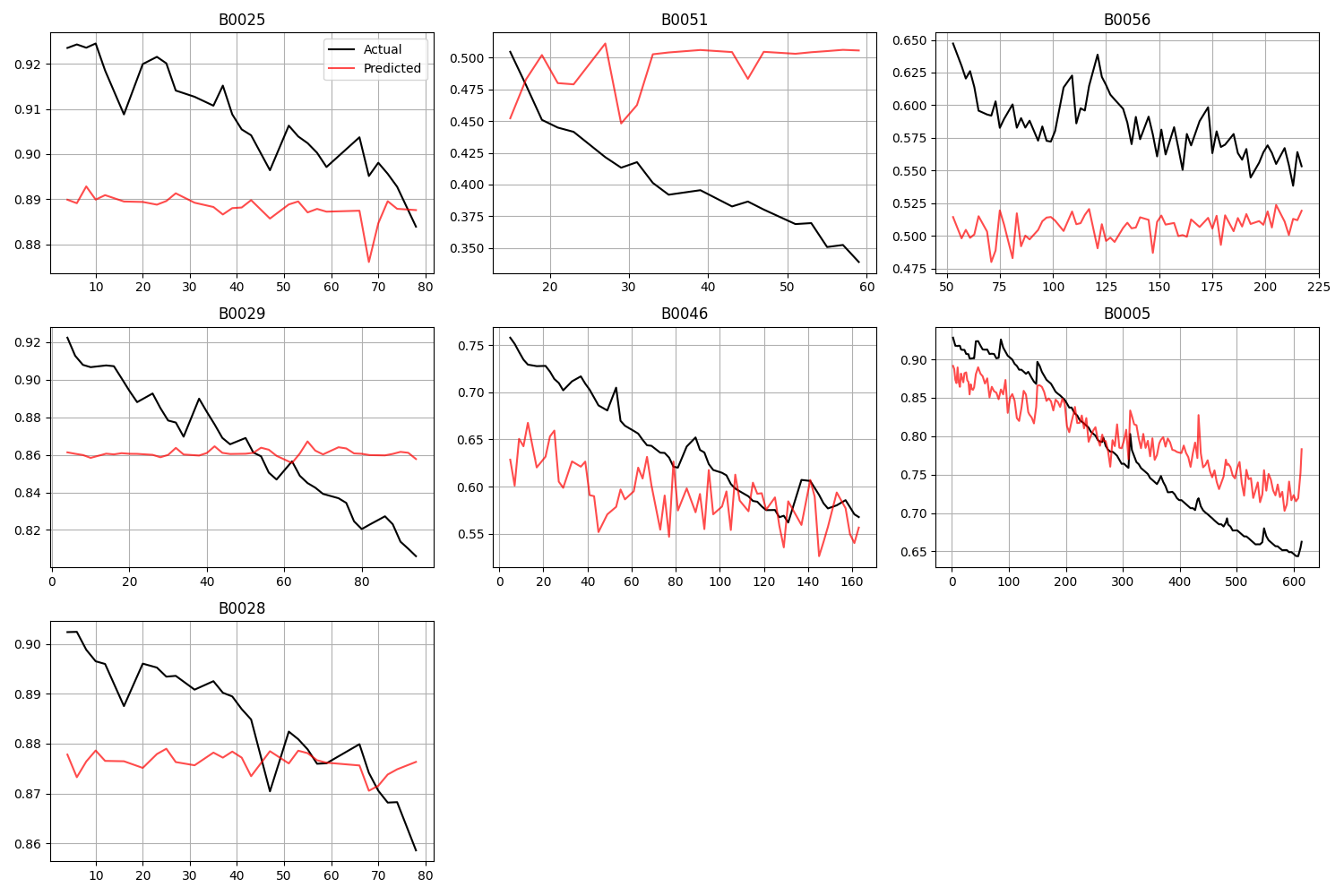
The floor. Establishes what a non-learning model can extract from the snippet — anything ML must beat this to justify itself.
The simplest deep architecture. Tests whether a basic deep model can recognize patterns in the time series at all.
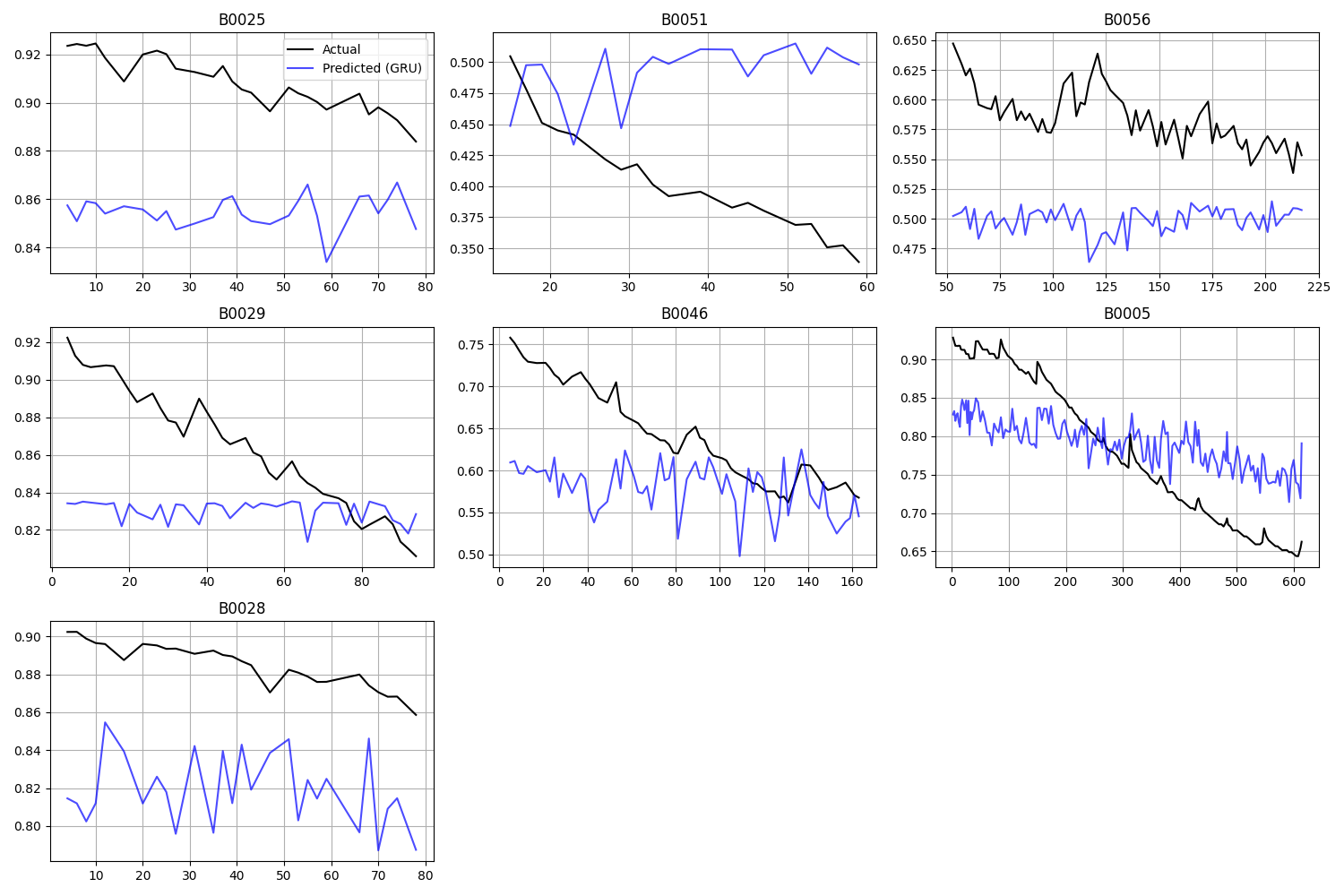
Sequence-aware model designed to surface hidden temporal patterns in the discharge curve.
Controlled environments hit single-digit % error. Field-noisy data is the open problem.
Stacking recurrent layers with classical features is the current frontier for SOH.
TCNs are emerging as a competitor to RNNs for fixed-length signal windows.
"If Blue Origin were to double its launch rate over the next three years, how would I build the operations strategy to get there?"
All four have to clear before cadence doubles. The two highlighted are where I'll spend the rest of the deck.
Is there market demand at this cadence? Who has the capital and operational appetite to actually buy the launches?
Assumed approvedCan we build New Glenn at this rate without starving external customers (e.g. BE-4 to ULA)?
Deep diveMission control, launch infra, recovery infra, support teams — what breaks first as cadence rises?
Deep diveCapital to expand the bottlenecks the internal review surfaces. How do we de-risk CapEx — customer agreements, govt incentives?
Assumed approvedSourcing, production, refurb, payload. Each pillar has its own throughput ceiling, and at 2× cadence, every one of them needs a deliberate answer.
Address them in order of most-limiting.
Are we staffed for back-to-back ops?
Find the single (or few) points of contact across mission control, recovery, and integration.
Build redundancy and a deliberate hiring plan before the schedule forces it.
Each one of these has a recent precedent in the industry. The mitigations belong in the plan today, not after the first loss.
Damage to LC-36 or critical test infrastructure. Reference: SpaceX Massey site (S36) — 10-month repair timeline.
A single recovery vessel is a single point of failure for any reusable booster cadence.
Concentrated FL footprint (LC-36, manufacturing, integration) means one season can wipe out a quarter.
FAA windows, range conflicts, neighbor launches.